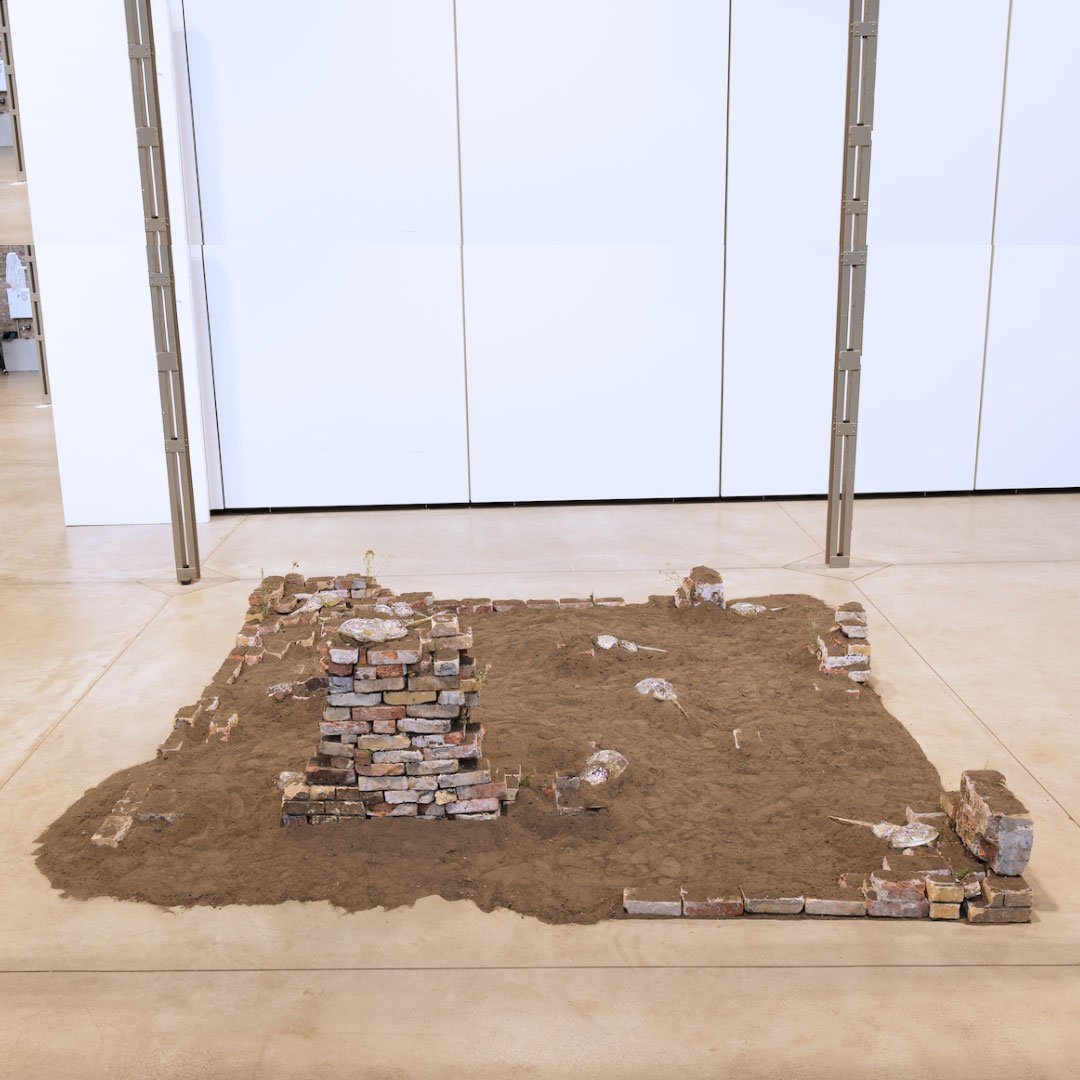
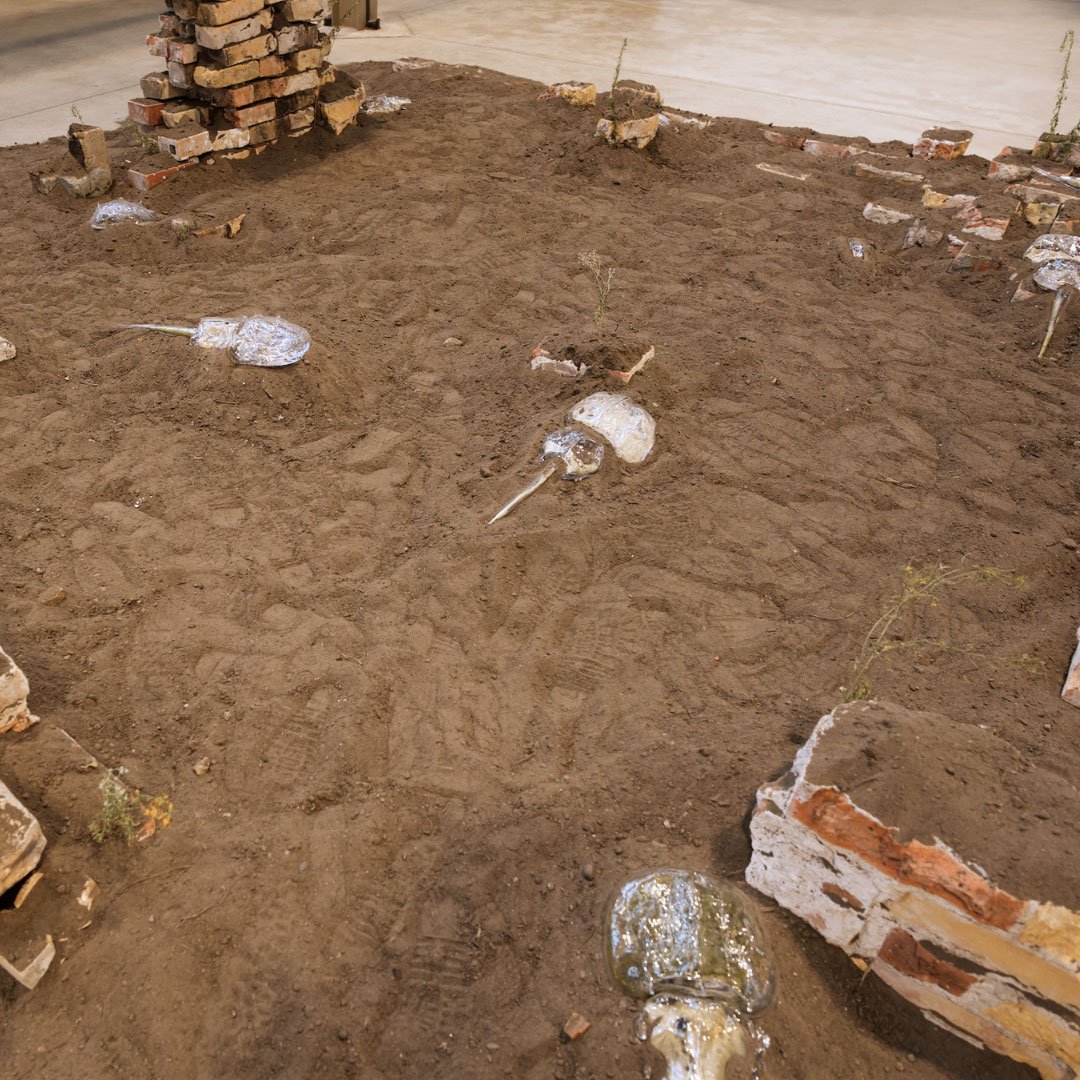
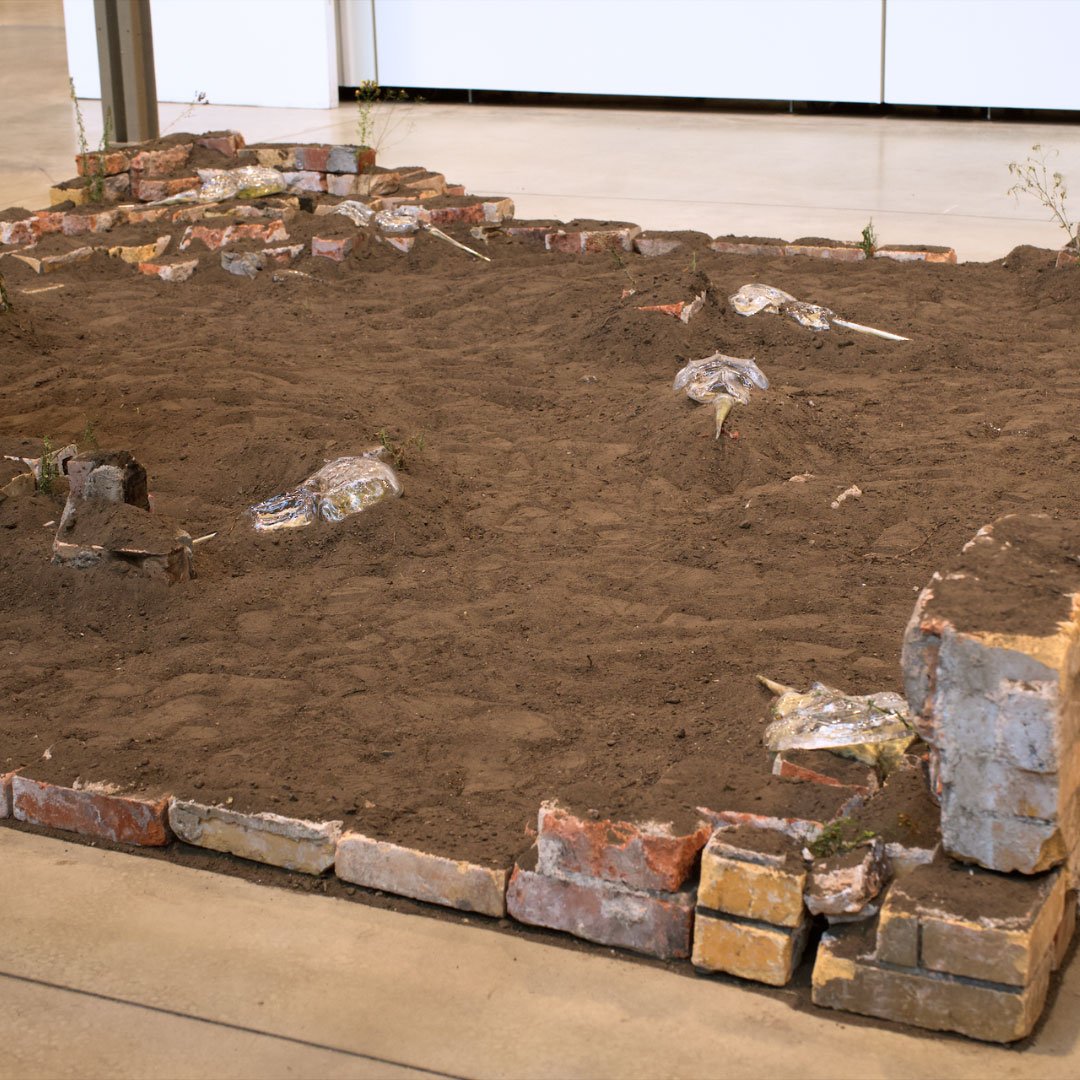
The ruin suggests a past future, or a future past and contains in its genesis a glimpse of its own death. Like Cassandra, who knows but can’t be believed, the ruins bear witness to a cycle that seems to repeat itself perpetually. Birth and death, which together enable life, and the past and future, without which there would be no movement, are essential to understand the concept of the ruin.
Without the attempt, there can be no ruin, nor can there be any “non-ruin”. A beginning is necessary for something to be; In the first case (ruin), this beginning does not succeed, or at least does not last; in the second case (non-ruin), the opposite is true.
To exist as ruin, therefore, a project must be built on the illusion that it will remain intact, and ultimately it can only die. A ruin is a failed attempt, an inception that intrinsically contains its own death.
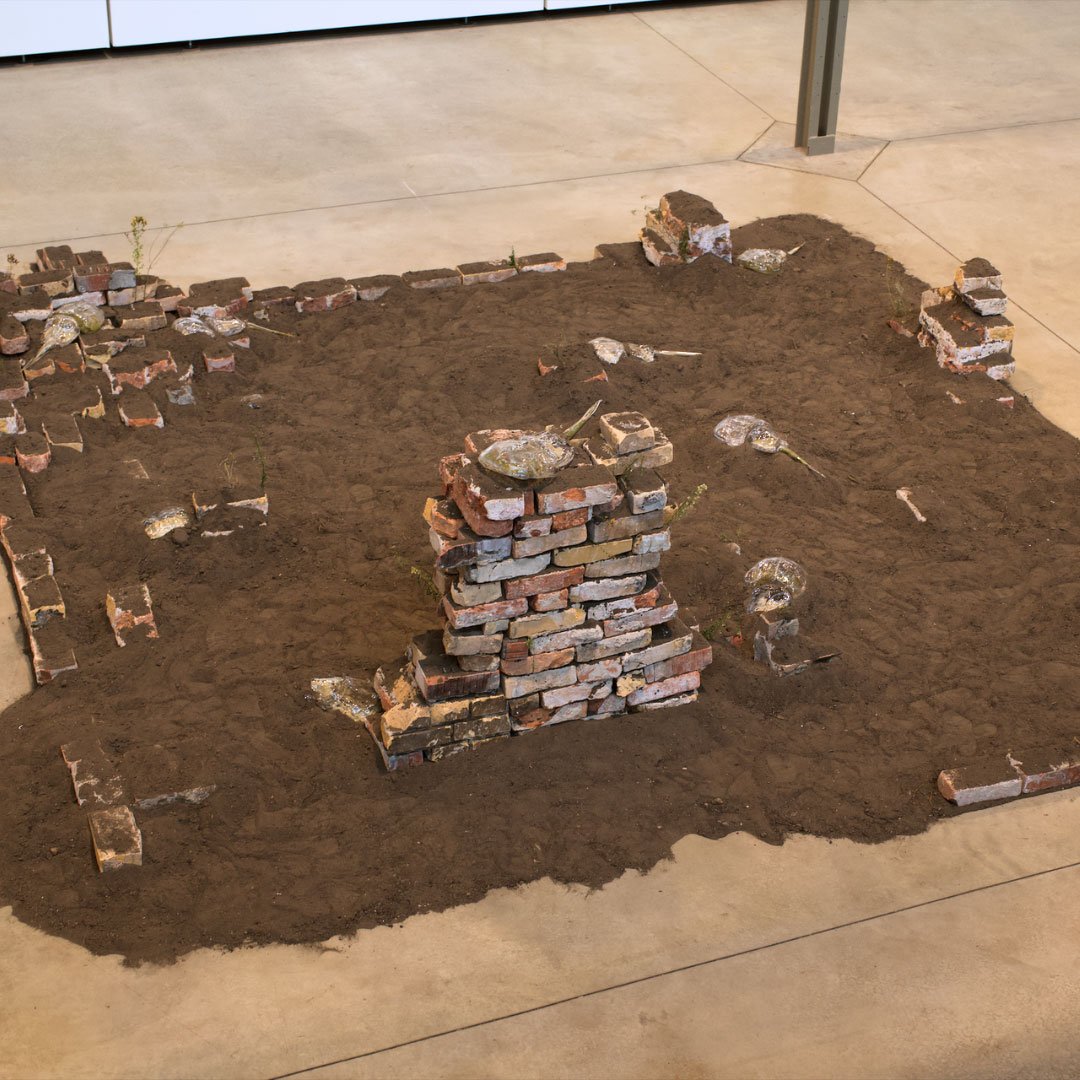
Thus to build a ruin is an impossible venture. Although the idea of a ruin is something well shared by each of us. The ruin is something that was, that isn’t anymore, that could be something again. It is filled with possibilities. It becomes a space for creativity, a space of freedom, where an old system can’t prevent something new from happening, where memories and fictions get entangled and start a new narrative.
Facing a ruin is facing a choice; what to do with it? Some will find refuge in it, children will play on it, friends will sit and chat on it… Some will destroy it and build upon it, others will decide to preserve it if the testimony of its history is worth being transmitted, therefore deciding which stories are worth to be preserved and which ones are not relevant. What the highest powers decide worth to be protected is so, and what doesn’t represent an ideal shared by the latter is destroyed, consigned to oblivion like it never happened.
Don’t buy materials. Find them, collect them, deal them, go on adventures to find them. Art should be accessible, to all publics as to all artists. Always inspired by counter cultures and alternatives such as DIY or punk, I believe we can do big things with small means, with patience and perseverance.
What some see as a limit I see as a start for creativity, for resilience.
I don’t allow my practice to be part of consumerism, so it transforms in finding alternatives. I am just starting to embrace this process ; when I want to use a material, I wether start with what I have, thinking about each one and what they represent, or I start a quest to find the material, usually going more and more to the source and working with leftovers or trash of big manufactories.
Which brings me to another aspect of my practice : the social one. This quest for the material leads me to connect with various people. I now see this encounter as entirely part of my process; getting to know the people working next to the material, spending time there, exchanging discussions, services and finally building trust. I often borrow the materials I work with, putting them back as they were after, creating ephemeral sculptures that don’t need to take space and that require to re-create relationships, present at the time of the next showing. I try not to leave a trace, maybe just an impression, a mark.
After a long path, I now believe that art is not accessible in its concept, it depends too much on everyone’s background and interests. Wanting to reach everyone is an impossible initiative, as we are all unique. But in the process of making art, that’s where we can all gather and make it accessible, no matter our differences. It has become very important to involve other people in my practice, almost a pretext to meet, discover each other and see how we can exchange talents.
Embody our environment, do with what we have and listen to it, treat it well, with respect. It gives a lot of answers and confidence.
In the scouts I learned to love what I do before doing what I love. This sentence impacted me a lot, also in this way of spending time with a material at my disposal instead of waiting for the time I could use the most sacred or precious one. This teached me resilience, to care about unattended materials I could work with and find how resourceful and qualitative it is.
The materials I use are mostly organic, or shortly transformed by humans but they didn’t go through very big transformation processes. It is important to me to work with materials I am familiar with, to know what they are made of, how they are made and to learn this on the way. Physical contact with them is essential. I also like to work on materials that are charged with time or change with time, like ice, dust, wax, plants, seaweed and analog photography.
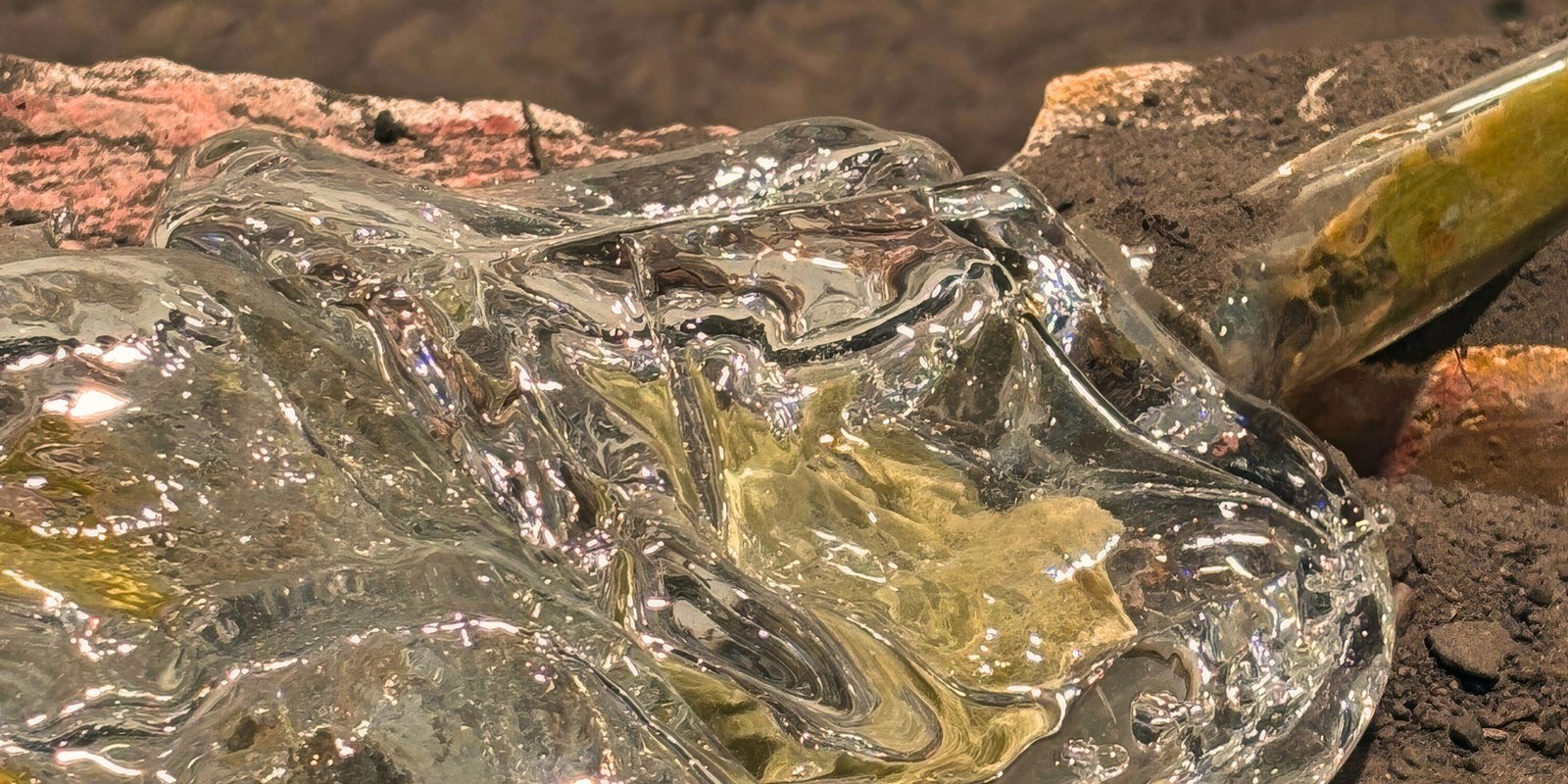
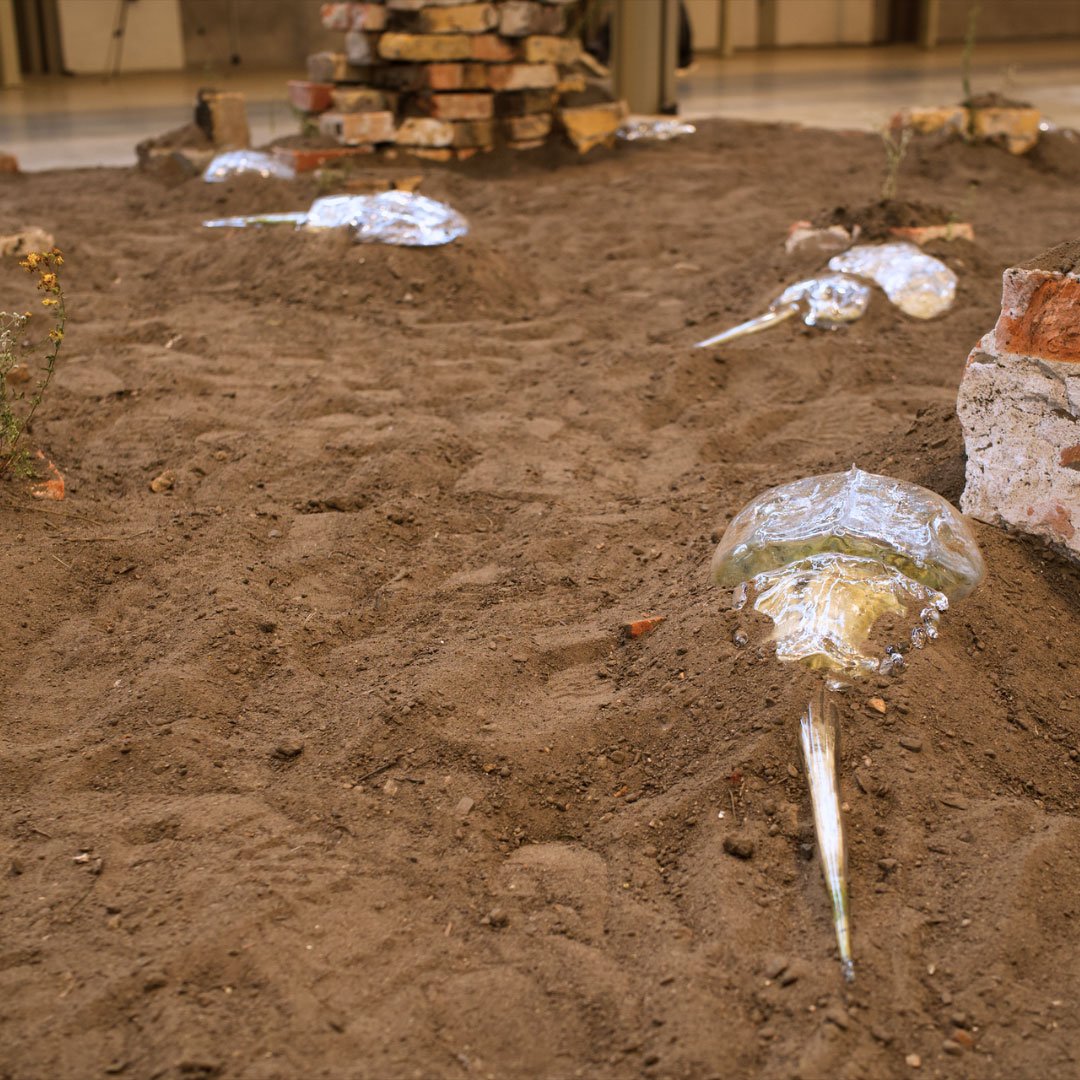
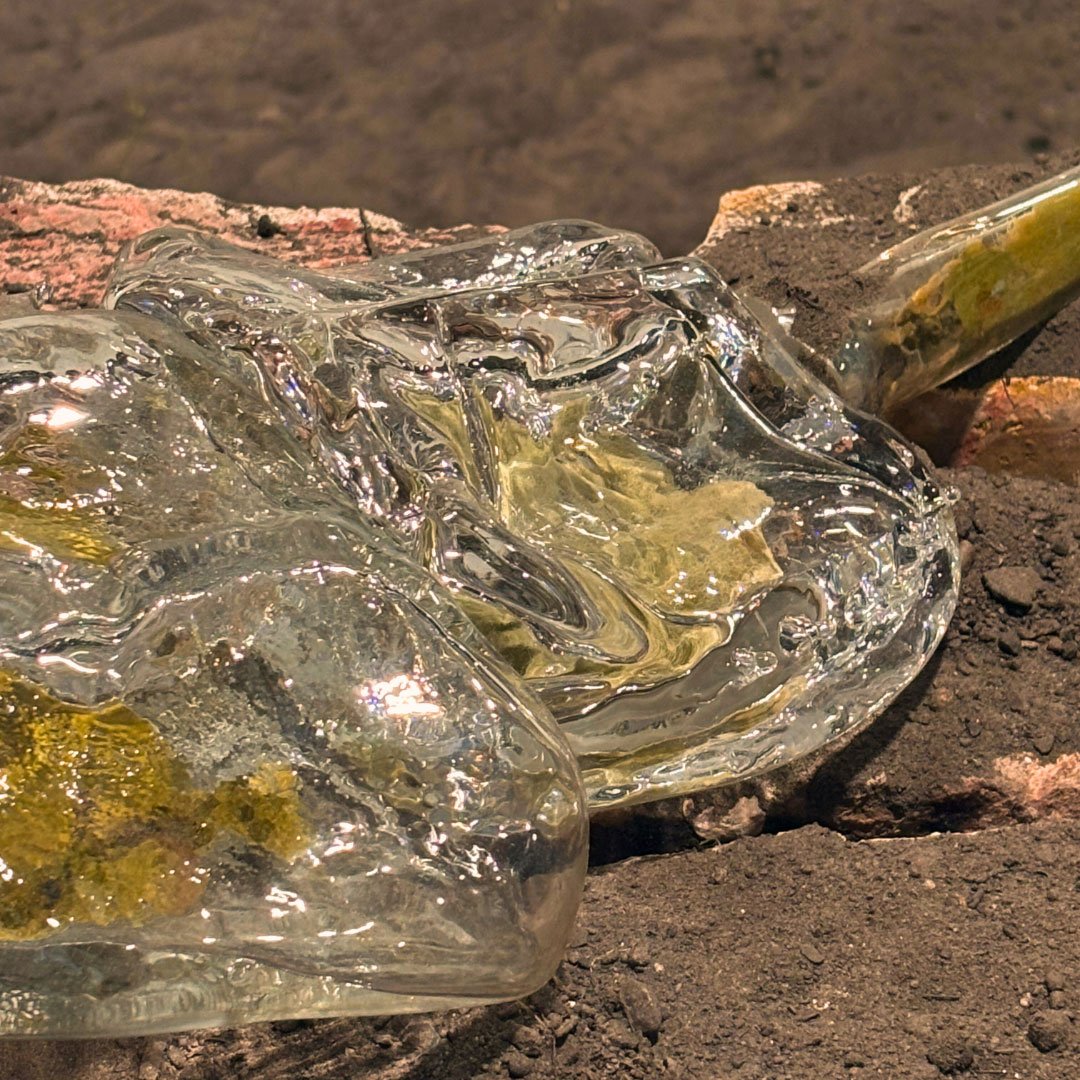
These beautiful creatures are Horseshoe crabs. Also known as Limulidae or Living fossils, they are one of the most ancient organisms on earth. Older than 450 billion years, they didn’t evolve so much since their apparition, which is quite fascinating to imagine that their organism was prepared to live through all the natural and human disasters we know of.
They molt and shed their shell in order to grow to adult size. On the beach, smaller animals can then find shelter in these abandoned skins. Although strong enough to survive all those centuries, they are quite delicate and fragile.
On my installation, they become hosts of another organism : algaes.
In combination with the ruined structure, they question the topic of survival and durability, from a human point of view, through a human-made structure, to an animal and a vegetal.
How do we want to leave/to live? Do we want to leave a trace? Which one? Can we adapt to our environment and use ready-found shelters? Are we made for surviving?
In our anthropozoic era combined with the very actual climate crisis, I propose to reflect on these topics and realise where we are at, maybe offering the viewer a new narrative to draw upon.